Slow Interiors · Journal No. 02
Collected Design
The most beautiful homes are rarely the most perfect. They are the ones that evolve naturally, becoming a reflection of the people who live within them.
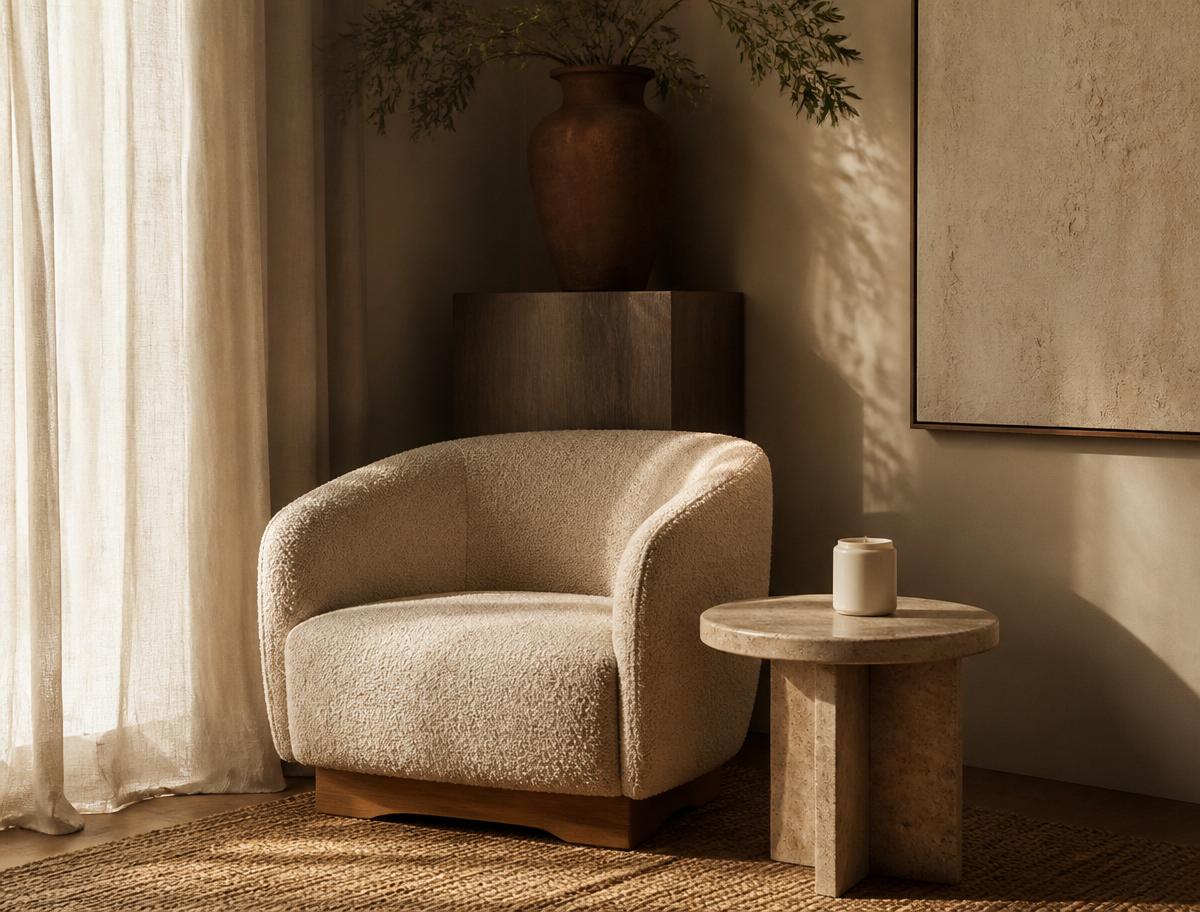
In an era of fast furniture, overnight delivery, and trend-led interiors, a quieter movement has emerged — one that values authenticity over perfection and character over conformity. Known as Collected Design, this approach celebrates homes that evolve naturally over time, becoming a reflection of the people who live within them rather than a replica of the latest showroom.
Collected Design is not a style confined to a particular aesthetic. Instead, it is a philosophy rooted in thoughtful curation. It embraces the beauty of combining old with new, handcrafted with contemporary, treasured heirlooms with carefully chosen modern pieces. The result is an interior that feels deeply personal, timeless, and impossible to duplicate.
Unlike interiors built around a single shopping trip, a collected home is layered gradually. Each piece is chosen because it has meaning, exceptional craftsmanship, or simply evokes emotion. A vintage oak cabinet might sit comfortably beside a sculptural modern sofa, while hand-thrown ceramics rest atop polished marble surfaces. The contrast creates richness, depth, and individuality.
Rather than chasing trends, Collected Design prioritises longevity. Natural materials such as solid wood, linen, travertine, wool, and aged brass develop character with age, adding warmth and authenticity to every room. These are materials that improve through use, telling their own stories over time.
Perhaps the defining characteristic of Collected Design is its appreciation for imperfection. A weathered antique mirror, a handwoven rug with subtle irregularities, or pottery bearing the marks of the maker all contribute to an interior that feels alive. These imperfections introduce texture and humanity — qualities often absent from mass-produced spaces. Instead of striving for flawless symmetry, collected interiors embrace variation, allowing each object to stand as a unique expression of craftsmanship and history.
One of the greatest misconceptions about Collected Design is that everything must be antique or expensive. In reality, balance is what matters most. Contemporary lighting can elevate a century-old dining table. Minimalist architecture provides the perfect backdrop for richly textured vintage furniture. Industrial metals can soften beautifully when paired with organic fabrics and natural stone. The most successful collected interiors create dialogue between different periods rather than belonging exclusively to one. This interplay of old and new ensures a home feels current while remaining timeless.
Collected Design naturally encourages a slower, more sustainable approach to furnishing a home. By investing in well-made pieces that endure, restoring vintage furniture, and sourcing unique finds from artisans or independent makers, homeowners reduce waste while creating spaces of lasting value. Rather than replacing furniture every few years to follow changing trends, collected interiors grow organically. Each addition enhances the story rather than rewriting it.
The word 'curated' is often overused in interiors, yet Collected Design embodies its true meaning. Every object has a reason for being there. Whether discovered during travels, inherited through generations, commissioned from an artisan, or found unexpectedly in an antique market, each piece contributes to a narrative larger than itself. A collected home feels effortless not because little thought has gone into it, but because every decision has been intentional.
Living With Character
Ultimately, Collected Design reminds us that the most beautiful homes are rarely the most perfect. They are the ones filled with memories, craftsmanship, texture, and personality. They evolve alongside their owners, gathering stories with every passing year.
Rather than asking what is fashionable today, Collected Design asks a more enduring question: What deserves a place in your life? The answer is an interior that cannot be copied — because it is entirely your own.
Continue —